
- England National Teams
Project 2011 athletes gain valuable experience
England Hockey’s Talent team launched Project 2011 designed to increase opportunities for a wider group of young people to access a performance-aligned environment.
A total of 38 players were nominated for the 2011 intake and were offered increased chances to improve their hockey including a trip to compete against established hockey teams from across the world.
For England Hockey’s Talent Partnerships Manager, Mark Nicholls, one thing that stood out for him is the belief that players built in themselves.
Project 2011 emerged from an ambition across the England Hockey Talent Team to widen access to high‑quality talent development experiences.
Historically, younger players, particularly those from state‑funded education, have had fewer opportunities to access specialist coaching, structured technical development, and international exposure.
In 2024/25, the Talent Team evolved the DiSE and England Age Group programmes to run joint Talent HUB days across six venues. This created a scalable, technically focused environment capable of supporting a broader range of ages and maturities.
The structure offered a natural opportunity to introduce a younger cohort (players born in 2011) into a high‑quality training space that they may not otherwise reach through club hockey alone.
How It Is Working
Project 2011 operates by integrating a group of Talent Academy nominated, state‑school‑educated 2011‑born players into the existing Talent HUB structure.
The programme includes:
- Seven Talent HUB days across the season, delivered in a technically focused environment
- A tournament experience in the Netherlands, offering international exposure
- Supplementation of girls’ squads with a small number of England U16 players, providing leadership, quality, and competitive stretch
- Alignment with Talent Academy nominations, ensuring players are already engaged in structured development
- A flexible, maturity‑sensitive training model, recognising the physical and developmental differences within this age group
This approach allows younger players to train alongside slightly older or more experienced athletes in a setting that prioritises skill acquisition, confidence building, and long‑term development over early selection pressure.
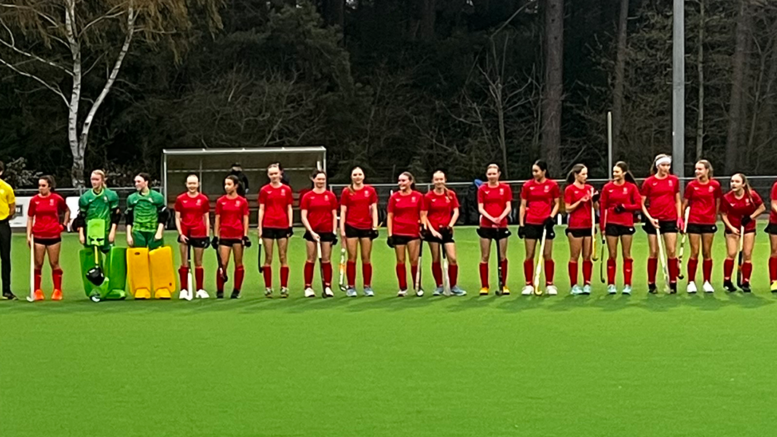
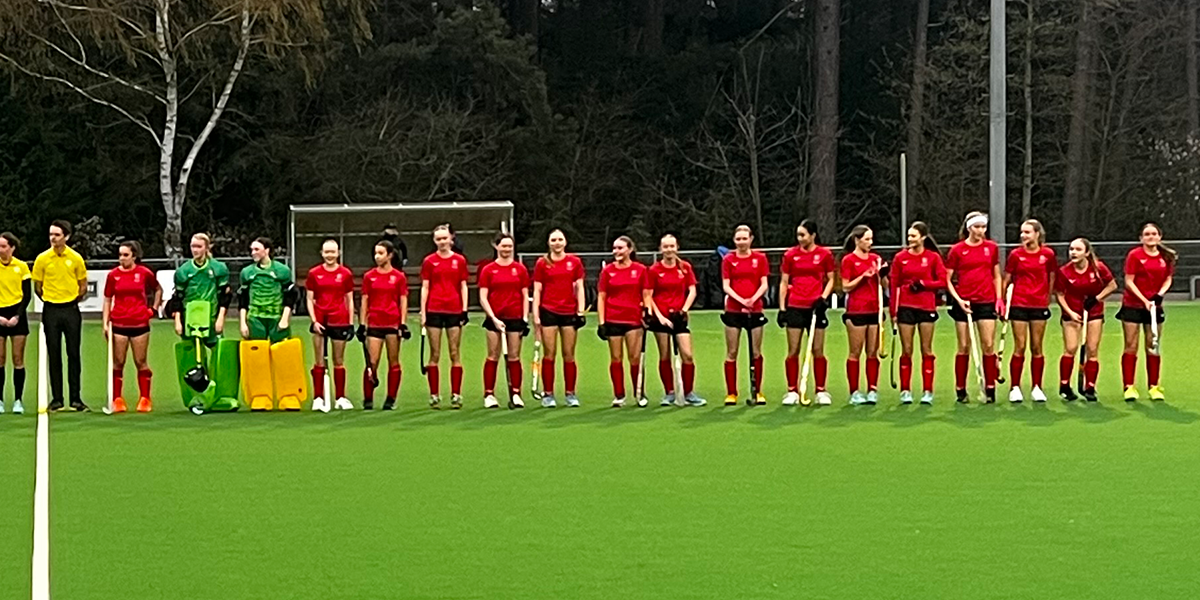
At the start of April, 36 athletes travelled to Netherlands to experience a camp where they were competing as a team for the first time. They were supported by coaches and developed essential skills that will support them in their hockey journey.
Mark Nicholls, England Hockey Talent Partnerships Manager, travelled with the squad and explains the benefits that everyone experienced.
“The camp and the international tournament weren’t just a nice addition to the programme — they were central to the purpose of growing a more diverse talent pool,” Nicholls said.
“You can tell a young player they have talent, but until you put them in an environment that genuinely tests and stretches them, that message only goes so far. Lilleshall gave them the setting, a national performance environment that signals immediately that this is serious, that they are serious.
“But the tournament in the Netherlands took it to up a step. Competing internationally, wearing a badge, against strong European opposition, that’s when you find out what players are really made of. It also gave our coaches the clearest possible picture of who could step up. You simply can’t replicate that in a training domestically.
“Our focus was on creating the conditions for the players to grow and express themselves, to showcase their potential, free from the pressure of results or the expectations of their normal environment. We wanted them to take ownership of their own performance. The coaching team had a clear structure, technical (and tactical) sessions, high-intensity competitive play, time to reflect, but within that, we deliberately gave the players space to lead.
“We asked them to problem-solve together on the pitch, to communicate, to make decisions under pressure. The plan wasn’t to coach them into a system in a few days. It was to show them who they could be when they’re trusted, challenged, and surrounded by others who share their passion and hunger.
“Two things stood out for me. The first is belief. Many of these players had never been in a national performance environment before. Most had never played at international level. Walking into Lilleshall, lining up against European opposition, that changes something in a young athlete. It raises the ceiling of what they think is possible for themselves.
“The second is perspective. They trained and competed alongside players from different backgrounds and clubs, all selected on one basis alone: potential. That peer group is something they’ll carry long after the tournament is over. Every day, every game, every quarter you could see the players growth and progression. The pressure, intensity, quality of coaching, opposition and something special in each individual player drove that accelerated development
“I hope what they take away most is the knowledge that they can belong at this level, that their background, their school, their access to facilities up to now, hasn’t held them back from being exactly the kind of player England Hockey wants to develop.
“For some of them, this will have been the first time anyone at a national level has said: we see you, and you have the potential. That’s not a small thing. Beyond that, I think they’ll take away a standard, an understanding of what is expected of them technically, physically, and in terms of attitude, if they want to progress. That benchmark will drive them.
“What I want to be clear about is that Project 2011 doesn’t end here. We will be running the project again, and we will keep finding these players. The ones who came through this time are part of something bigger, they’re proof that the model works, and they have a role in inspiring the next cohort of players who, right now, might not yet believe this is for them.”


Be the first to comment on "England: Project 2011 athletes gain valuable experience"